Our Expertise

Closed Die Forging:

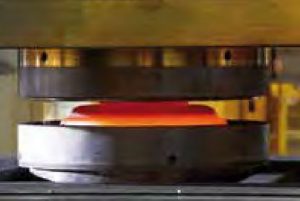
Closed Die Forging is a forging process in which dies move towards each other and covers the workpiece in whole or in part. The heated raw material, which is approximately the shape or size of the final forged part, is placed in the bottom die. The shape of the forging is incorporated in the top or bottom die as a negative image. Coming from above, the impact of the top die on the raw material forms it into the required forged form.

Fabman Engineers has hydraulic and mechanical presses of 250, 500, 750, 800 and 1000 Ton capacity to allow closed die forging of a wide variety of shapes and sizes.

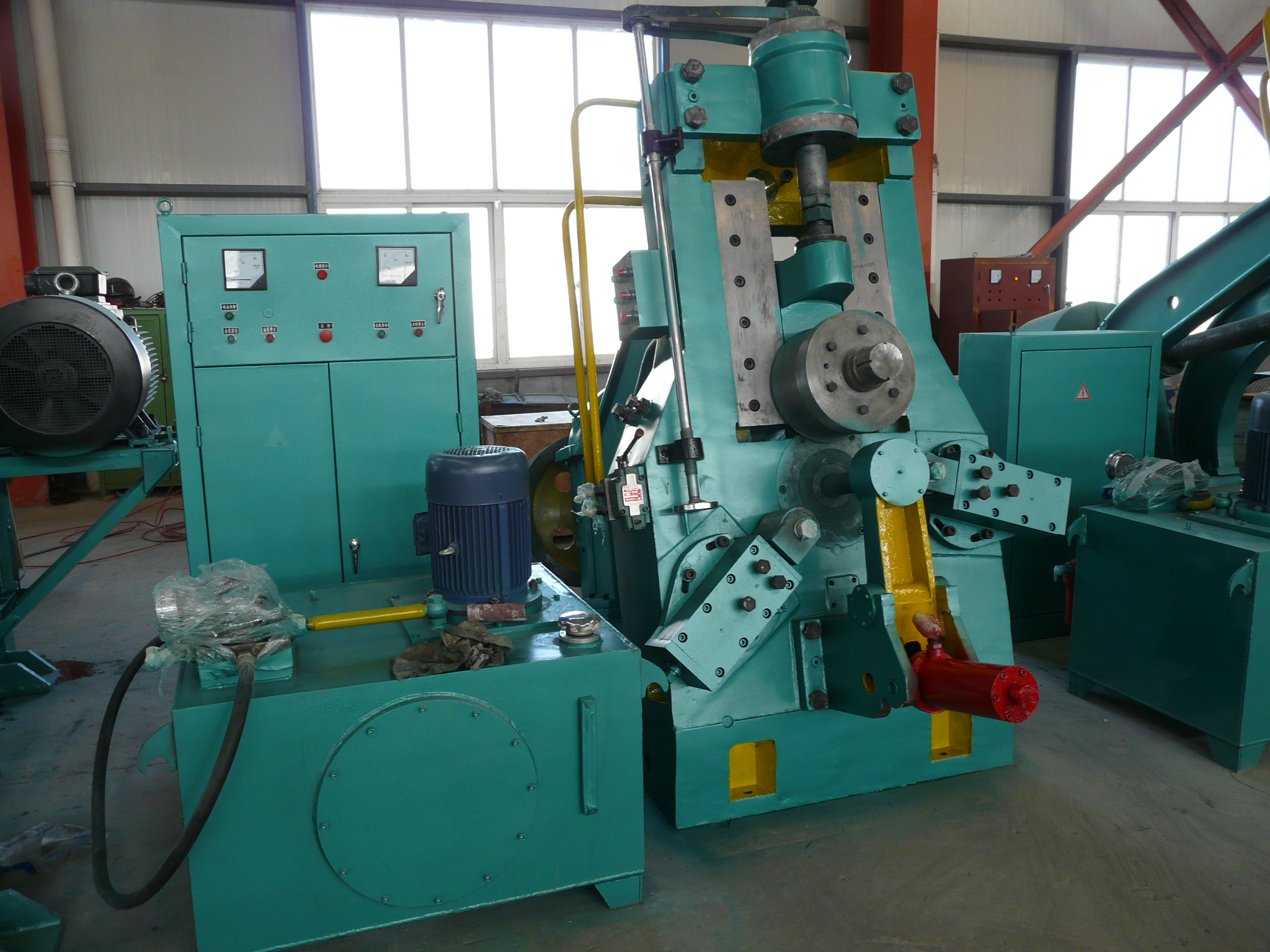
Ring Rolling:

Ring rolling is a forming process to produce seamless rings. Commonly a headed and pierced ring is used as raw part to be expanded and possibly profiled with a ring rolling machine. Two or more rotating dies (rollers) are used for this purpose.

In the automotive industry, forged seamless rolled rings are used in almost every major structural or high-load component in trucks and automobiles. Clutches, braking systems, gears, and couplings are just a few of the ways that forged rolled rings are used.

Fabman Engineers has two independent Ring Rolling lines, with the capability of forging rings of up to 100kgs, for a number of applications such as gears, starter rings, clutches and missile flanges.

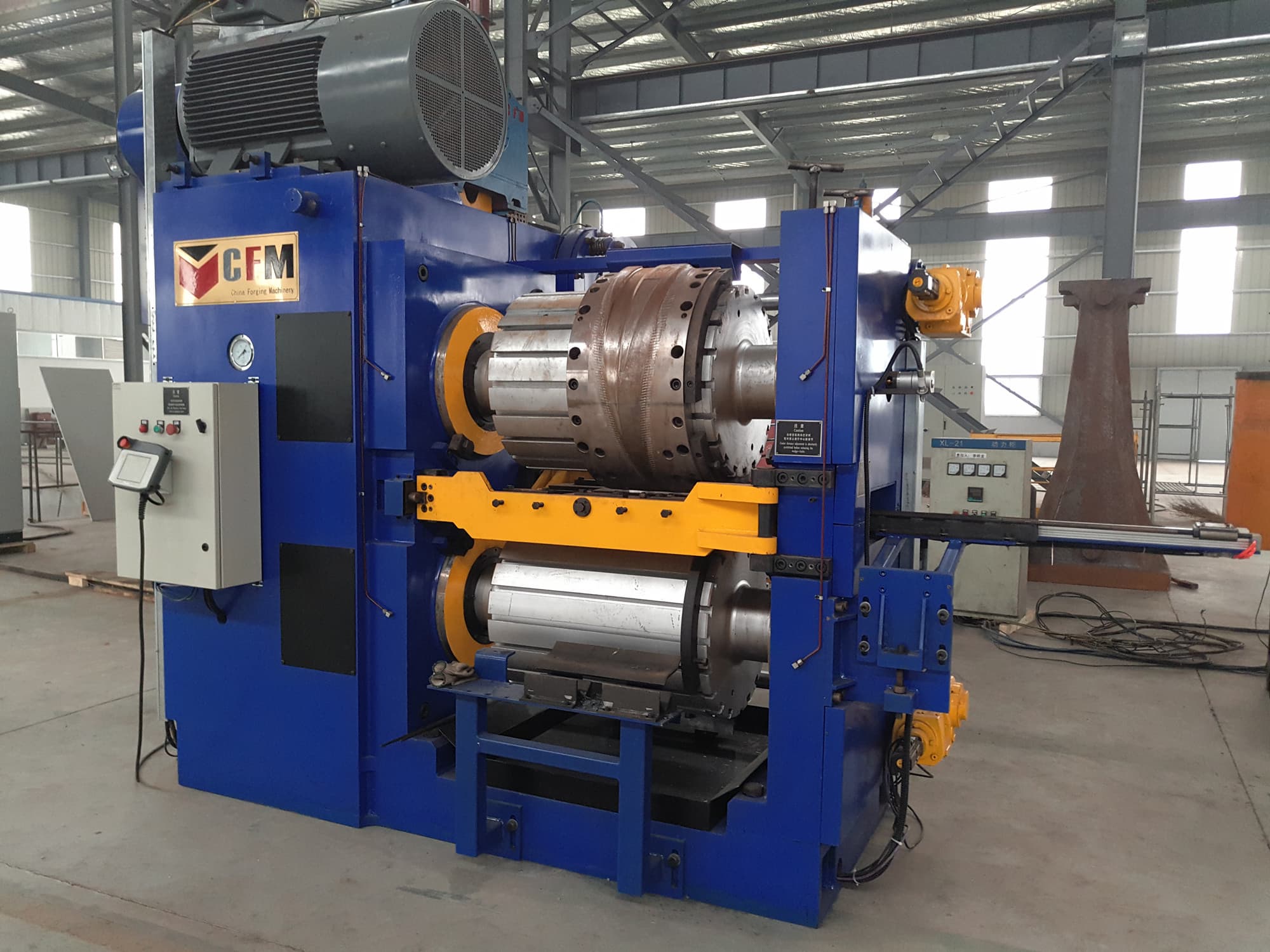
Cross Wedge Rolling:

Cross wedge rolling is a forming process for reshaping circular cylindrical billets to plastic rotationally symmetrical workpieces with variable diameter in axial direction using two oppositely moving wedge- shaped tools.

Crosswedge rolling is an economical and effective way to produce preforms with variations in cross section diameters. The process rolls the workpiece between rotating dies to create various diameters across the length of the workpiece.

Fabman Engineers Pvt. Ltd. Is a pioneer in this type of forging. Using this process, we can produce rotationally symmetrical parts in large quantities with a low cycle time (5-10 seconds).

Heat Treatment Service:

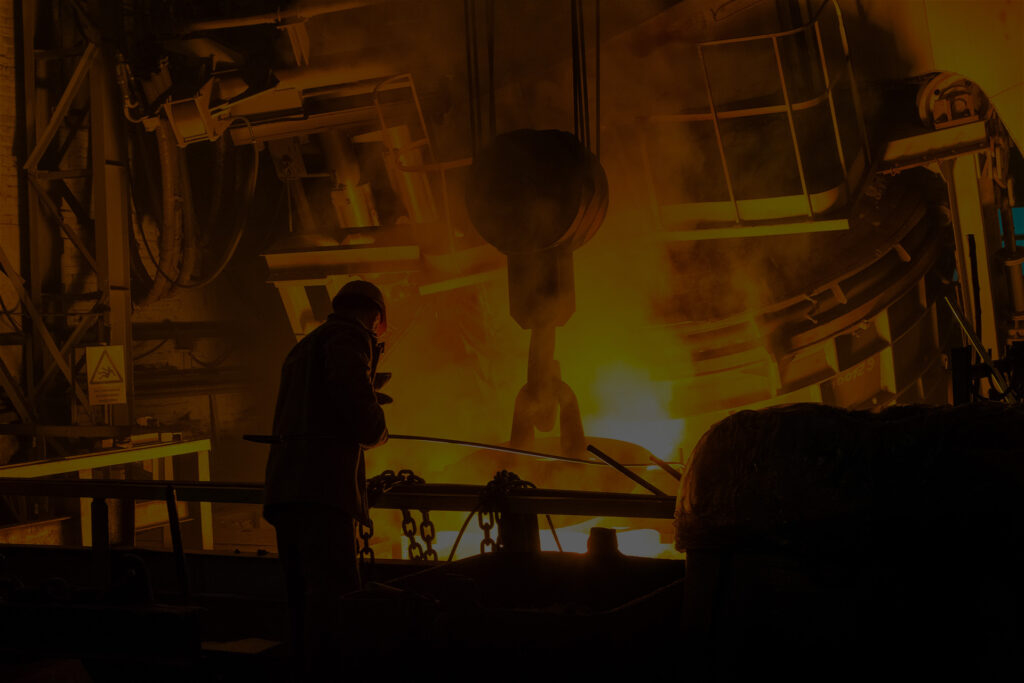
Heat treating is the process by which a metal is heated or cooled in a tightly controlled environment to manipulate physical properties such as its malleability, durability, fabricability, hardness, and strength. Heat-treated metals are imperative to many industries including the aerospace, automotive, computer, and heavy equipment industries. Heat treating metal parts (such as screws or engine brackets) creates value by improving their versatility and applicability.

Heat treatment is a three-step process. First, the metal is heated to the specific temperature needed to bring about the desired change. Next, the temperature is maintained until the metal has been evenly heated. The heat source is then removed, allowing the metal to cool completely.

CNC Machining :

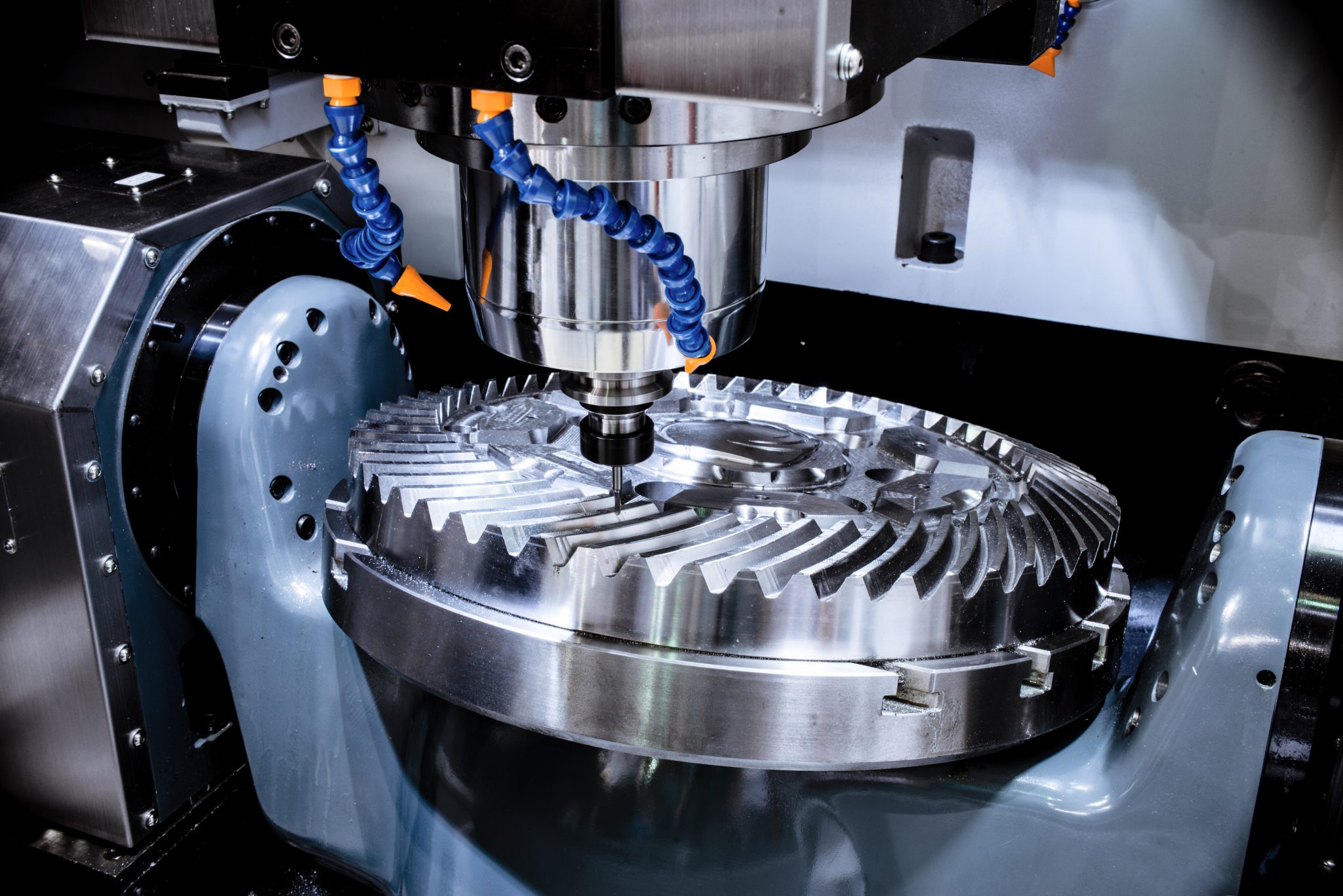
It is a computerized manufacturing process in which pre-programmed software and code controls the movement of production equipment. CNC machining controls a range of complex machinery, such as grinders, lathes, and turning mills, all of which are used to cut, shape, and create different parts and prototypes.

Fabman has a fleet of 18 CNC machines that can precisely shape and cut components requiring small tolerances and extreme precision.